Table of Contents
ToggleIntroduction to Celebrations Around the World
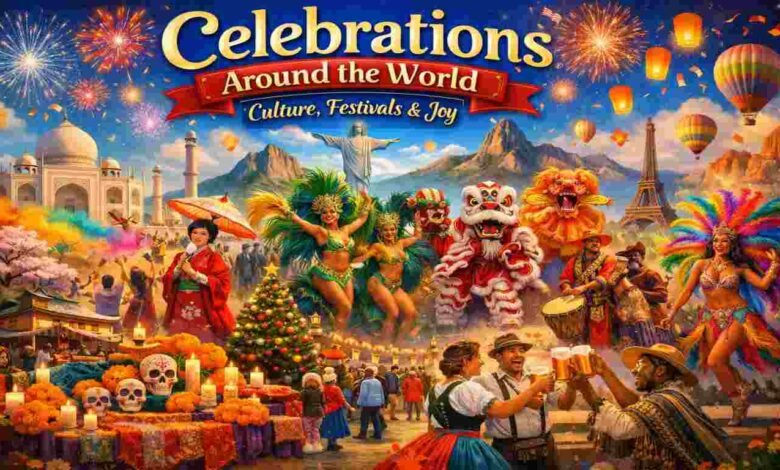
Celebrations are an important part of human life. Every culture celebrates special days and festivals. These events bring happiness, unity, and cultural pride. When we talk about celebrations around the world, we mean festivals and traditions celebrated in different countries. Some celebrations are religious, while others are cultural or historical. People celebrate these festivals with family gatherings, decorations, music, and special food. These events help people relax and enjoy life together. Global celebrations also show the diversity of cultures. Each country has its own unique traditions. Learning about them helps us understand the world better.
Why Celebrations Are Important in Different Cultures
Celebrations help protect traditions and cultural identity. Many festivals have been celebrated for hundreds of years. They connect modern people with their ancestors. Festivals also bring families and communities together. During celebrations, people visit relatives and share meals. This strengthens relationships. Many festivals also have religious meanings. They remind people about spiritual beliefs and values. Another benefit of celebrations is happiness and relaxation. Festivals give people a break from daily work. They create joyful memories.
In simple words, celebrations keep culture alive and bring people closer.
Most Popular Celebrations Around the World
Some festivals are known across the world. Millions of people celebrate them every year. These celebrations are famous for their traditions, decorations, and cultural importance.
Christmas Celebrations in Different Countries
Christmas is one of the most famous celebrations in the world. It is celebrated every year on December 25. People decorate their homes with lights and Christmas trees. Families exchange gifts and prepare special meals. Children wait for Santa Claus. Many cities organize markets and festive events.
Christmas represents love, kindness, and family unity.
Chinese New Year Festival
Chinese New Year is the biggest festival in Chinese culture. It marks the beginning of the lunar new year. Families clean their homes before the festival. This tradition symbolizes removing bad luck. People decorate houses with red colors. Red is believed to bring good fortune. Children receive red envelopes with money. Fireworks and dragon dances are also popular. This festival celebrates family reunion, luck, and prosperity.
Diwali – The Festival of Lights
Diwali is known as the Festival of Lights. It is one of the most important festivals in India. During Diwali, people decorate their homes with small lamps. These lamps are called diyas. Families share sweets and gifts. Many people also enjoy fireworks at night. Diwali celebrates the victory of light over darkness and good over evil.
The festival spreads happiness and positive energy.
Also Read: Buds Guns: A Complete Guide for Gun Buyers in 2025
Eid al-Fitr Celebrations
Eid al-Fitr is an important festival for Muslims. It marks the end of the fasting month of Ramadan. People start the day with special prayers. They wear new clothes and greet friends and relatives. Families prepare delicious food and sweets. Visiting relatives is also a common tradition. Another important part of Eid is charity. People donate money or food to help those in need.
Eid celebrations focus on gratitude, generosity, and community bonding.
Rio Carnival
Rio Carnival is one of the biggest festivals in the world. It takes place every year in Brazil. The festival is famous for colorful parades and samba dancing. Performers wear bright costumes with feathers and glitter. Large groups perform dance shows in the streets. Music and celebration continue for several days.
Rio Carnival is a symbol of joy, creativity, and cultural pride.
Unique Cultural Festivals Around the World
Besides famous festivals, many countries have unique local celebrations. Some festivals celebrate nature and seasons. Others celebrate local history or traditions. For example, some communities organize harvest festivals. These celebrations thank nature for good crops. Other festivals celebrate music, art, or traditional sports.
These unique events help protect local culture and traditions.
Food Traditions in Global Celebrations
Food plays a major role in festivals. Every celebration has special dishes. Families prepare traditional recipes that are passed down through generations. Sweet foods are very common during celebrations. Cakes, sweets, and desserts are shared with relatives and neighbors. Festival meals are often larger and more special than regular meals.
Food helps create happy memories and brings people closer together.
How Different Countries Celebrate the New Year
New Year celebrations are popular across the world. People celebrate the start of a new year with excitement. Many countries celebrate with fireworks and countdown parties. Large crowds gather in public places. Families also celebrate at home with special meals. Some cultures follow unique traditions to bring good luck. These traditions are believed to bring happiness in the coming year.
New Year celebrations symbolize new beginnings and fresh hopes.
Role of Music, Dance, and Costumes in Celebrations
Music and dance are key parts of many festivals. They create energy and excitement. Traditional songs and instruments are used during celebrations. They reflect the culture of the community. Dance performances often tell stories from history or mythology. Costumes are also important. Many festivals include colorful clothing and traditional dress.
These elements make celebrations more lively and enjoyable.
How Global Celebrations Promote Tourism
Festivals attract visitors from many countries. Many travelers plan their trips during famous celebrations. Tourists enjoy experiencing different cultures. They watch parades, taste traditional food, and join local events. Festival tourism also helps the local economy. Hotels, restaurants, and shops receive more customers.
Global celebrations help share culture with the world.
Modern Changes in Celebrations Around the World
Modern technology has changed how people celebrate festivals. Today people share festival photos and videos on social media. This allows others to experience celebrations online. Global travel has also spread many festivals to different countries. People from different cultures now celebrate festivals together. Modern celebrations mix traditional customs with modern lifestyle.
Tips for Experiencing Celebrations Around the World
Experiencing global festivals can be exciting. Good planning makes the experience better. First, learn about the festival traditions. Understanding the culture helps you respect local customs. Second, plan travel early. Popular festivals attract many visitors. Third, respect local traditions and rules during celebrations. Trying local food and joining activities can make the experience more memorable. Festival travel is a great way to explore culture and meet new people.
Pros and Cons of Large Global Celebrations
Large festivals have many benefits.
Advantages:
-
Promote cultural traditions
-
Bring communities together
-
Support tourism and business
However, there can also be challenges.
Disadvantages:
-
Large crowds can cause safety problems
-
Festivals can create waste and pollution
-
Travel and accommodation may become expensive
Responsible celebration is important for protecting culture and the environment.
Conclusion
Celebrations around the world show the richness of human culture. Every festival has its own traditions and meaning. These events bring families, friends, and communities together. They help people celebrate life and remember their traditions. From religious festivals to cultural events, celebrations create joy, unity, and unforgettable memories.
Learning about global festivals helps us respect different cultures and appreciate diversity.
Frequently Asked Questions (FAQs)
What are celebrations around the world?
They are festivals and holidays celebrated by different cultures and countries.
Why are festivals important?
They protect cultural traditions and bring people together.
Do all countries celebrate festivals?
Yes. Every culture has its own unique celebrations.
How do festivals help tourism?
Tourists travel to experience cultural festivals and traditions.